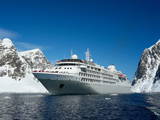
Cruise port Qikiqtarjuarusiq (ex: High Bluff Island)
Info for port Qikiqtarjuarusiq (ex: High Bluff Island) on 9 Sept 2026
Port information & tips for Qikiqtarjuarusiq (ex: High Bluff Island)
Qikiqtarjuarusiq, also known as High Bluff Island, is an untouched jewel in the Arctic expanse of Canada off the coast of Baffin Island. The island impresses with its majestic seclusion and a spectacular natural backdrop characterized by steep limestone cliffs and the deep blue icy sea. Visitors can marvel at gigantic breeding colonies of Thick-billed Murres and, thanks to experienced guides, often discover polar bears or walruses in their natural habitat. As there are no permanent piers on the uninhabited island, landing takes place by expedition ship and Zodiac directly on the natural shores. Thanks to this flexible landing site, travelers reach the heart of the wilderness directly and also enjoy the fascinating polar landscape far away from any civilization.
Qikiqtarjuarusiq (formerly High Bluff Island) is a remote, uninhabited nature reserve in the Canadian Arctic that is visited exclusively as part of expedition cruises. Arrival is therefore primarily by plane to the regional hubs in Nunavut, from where embarkation onto the expedition ships is organized via transfer. A classic port infrastructure with terminals, as known from other cruise destinations, does not exist here; landings are usually carried out with Zodiacs.
Airplane
Travel from the DACH region typically involves long-haul flights to Toronto (YYZ) or Ottawa (YOW) in southern Canada. From there, regional airlines such as Canadian North continue to Arctic hubs like Iqaluit (YFB), the capital of Nunavut, or directly to Qikiqtarjuaq Airport (YVM) on former Broughton Island, the nearest regional airfield. Qikiqtarjuaq Airport (YVM) is a small regional airport with a gravel runway that serves as an important gateway to the region.
Transfers and Landing
Due to the extremely remote location, transfers from the Arctic airports to the respective embarkation points or directly to the expedition ship are usually fully organized by the cruise lines, often using charter flights. Since there are no port facilities on Qikiqtarjuarusiq itself, landings on the island occur, depending on weather and ice conditions, exclusively by Zodiac inflatable boats. Also in the nearby community of Qikiqtarjuaq (formerly Broughton Island), transfers to the ships are mostly carried out by tender.
Pre-Cruise Hotel
Given the long and complex journey to the Canadian Arctic, a pre-cruise hotel is strongly recommended. Plan an overnight stay in one of the southern Canadian gateway cities like Toronto or Ottawa before continuing your journey north. This offers a relaxed acclimatization and an important time buffer in case of possible flight delays. An overnight stay can also be useful in the northern hubs such as Iqaluit or Qikiqtarjuaq before you reach your expedition ship.
Check-in & Embarkation
Please note that you will generally receive a fixed time slot for check-in with your travel documents, which is binding for your embarkation. Plan sufficient time for the journey to the port accordingly and take into account that the latest embarkation time - depending on the cruise line and destination area - is usually scheduled about one hour before the planned departure.
The following also applies during the voyage: for shore excursions, you should be back on board at least one hour before departure. Always pay attention to the current announcements and the notices on board, as mooring and departure times can change at short notice.
In port on 09 Sept 2026