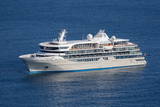
Cruise port Mangle Point (Fernandina, Galapagos)
Info for port Mangle Point (Fernandina, Galapagos) on 27 Oct 2026
Port information & tips for Mangle Point (Fernandina, Galapagos)
Mangle Point on the east coast of Fernandina is a pristine natural jewel of the Galapagos Islands and fascinates as the youngest volcanic outpost of the archipelago. The remote location impresses with dense mangrove forests and crystal-clear water, which is home to an extraordinary wildlife. Highlights include observations of the rare Galapagos penguins, flightless cormorants, as well as snorkeling sessions with playful sea lions and sea turtles. Access is fittingly by panga boat directly at the natural shore of Mangle Point, as the island of Fernandina is completely uninhabited to protect nature. Thanks to this exclusive accessibility, visitors experience pure wilderness far away from any civilization and enjoy an incomparable tranquility amidst this spectacular, untouched biosphere.
Mangle Point on Fernandina is a fascinating destination in the Galapagos Archipelago, which is visited by cruise ships as part of expedition cruises. It is important to note that Mangle Point itself is not an embarkation port in the traditional sense, but rather a landing site for passengers. Actual travel to the Galapagos Archipelago is by plane, with cruise ships usually departing from the islands of Baltra or San Cristóbal.
Airplane
Travel from the DACH region first requires a long-haul flight to Ecuador, usually to Quito International Airport (UIO) or Guayaquil (GYE). From there, a domestic flight takes you to one of the two main airports in the Galapagos Islands: Seymour Airport (GPS) on Baltra or San Cristóbal Airport (SCY) on the island of San Cristóbal. The flight time from Quito or Guayaquil to the Galapagos Islands is about two to three hours.
Transfer & Embarkation
Upon arrival in the Galapagos Islands at Baltra (GPS) or San Cristóbal (SCY) airport, you will be transferred to the respective embarkation point of your cruise ship. This is usually organized by the cruise line and often includes short bus rides and ferry connections to the piers, from where you will reach your ship by Zodiac or tender boat. Transfers are seamlessly timed with flight arrival times, ensuring a smooth transition to the start of your cruise.
Pre-Cruise Hotel
Due to the long international flight and the necessary onward flights to the Galapagos Islands, we strongly recommend arriving at least one day prior to the actual embarkation date. An overnight stay in a pre-cruise hotel in Quito or Guayaquil allows for a relaxed start and provides a buffer for potential flight delays. Many cruise lines also offer pre- or post-cruise arrangements that include hotel stays and transfers to simplify your travel planning.
Check-in & Embarkation
Please note that you will usually receive a fixed check-in time slot with your travel documents, which is binding for your embarkation. Plan sufficient time for your journey to the port accordingly and keep in mind that the latest embarkation time - depending on the cruise line and destination - is usually about one hour before the scheduled departure.
The same applies during the cruise: for shore excursions, you should be back on board no later than one hour before departure. Always pay attention to the current announcements and notices on board, as mooring and departure times can change at short notice.
Mangle Point on Fernandina is a fascinating destination in the Galapagos Archipelago, which is visited by cruise ships as part of expedition cruises. It is important to note that Mangle Point itself is not an embarkation port in the traditional sense, but rather a landing site for passengers. Actual travel to the Galapagos Archipelago is by plane, with cruise ships usually departing from the islands of Baltra or San Cristóbal.
Airplane
Travel from the DACH region first requires a long-haul flight to Ecuador, usually to Quito International Airport (UIO) or Guayaquil (GYE). From there, a domestic flight takes you to one of the two main airports in the Galapagos Islands: Seymour Airport (GPS) on Baltra or San Cristóbal Airport (SCY) on the island of San Cristóbal. The flight time from Quito or Guayaquil to the Galapagos Islands is about two to three hours.
Transfer & Embarkation
Upon arrival in the Galapagos Islands at Baltra (GPS) or San Cristóbal (SCY) airport, you will be transferred to the respective embarkation point of your cruise ship. This is usually organized by the cruise line and often includes short bus rides and ferry connections to the piers, from where you will reach your ship by Zodiac or tender boat. Transfers are seamlessly timed with flight arrival times, ensuring a smooth transition to the start of your cruise.
Pre-Cruise Hotel
Due to the long international flight and the necessary onward flights to the Galapagos Islands, we strongly recommend arriving at least one day prior to the actual embarkation date. An overnight stay in a pre-cruise hotel in Quito or Guayaquil allows for a relaxed start and provides a buffer for potential flight delays. Many cruise lines also offer pre- or post-cruise arrangements that include hotel stays and transfers to simplify your travel planning.
Check-in & Embarkation
Please note that you will usually receive a fixed check-in time slot with your travel documents, which is binding for your embarkation. Plan sufficient time for your journey to the port accordingly and keep in mind that the latest embarkation time - depending on the cruise line and destination - is usually about one hour before the scheduled departure.
The same applies during the cruise: for shore excursions, you should be back on board no later than one hour before departure. Always pay attention to the current announcements and notices on board, as mooring and departure times can change at short notice.
Visits to Mangle Point are made directly from the cruise ship using small expedition boats, leading right into the untouched nature of the Galapagos Islands. Since Fernandina Island is uninhabited, all logistics are conveniently and professionally organized by the respective ship's crew.
Pangas (Inflatable Boats)
The maneuverable pangas are the main mode of transport, bringing you safely from the ship to the landing sites or directly into the winding mangrove forests. Thanks to these flat boats, you can reach remote shore zones and observe penguins as well as sea turtles in their natural habitat.
On Foot
Exploration on land is done exclusively on foot along designated nature trails and is always accompanied by certified nature guides. The hikes lead across impressive lava fields and also offer fantastic views of the volcanic landscape and the marine iguanas living there.
Kayaks and Tenders
In addition to going ashore, there is often the opportunity to actively explore the coastline by kayak or during a tour in a tender boat. This is a wonderful way of moving around and allows for a silent approach to the diverse wildlife in the crystal-clear water of the bay.
To get the most out of your stay at Mangle Point, we recommend focusing on exploring the pristine waterways by dinghy and enjoying extensive observations of the unique wildlife directly along the volcanic coastline.
The Mangrove Labyrinths
The winding waterways of the dense mangrove forests offer a spectacular insight into a completely untouched ecosystem and are also perfect for the silent observation of rays and sea turtles.
The Volcanic Coastline
Numerous marine iguanas and playful sea lions gather directly on the dark rocks of the shore, making this location an ideal destination for fascinating nature photography thanks to its close proximity to the landing point.
The Fernandina Marine Reserve
The crystal-clear waters around Mangle Point are a paradise for snorkelers and, thanks to the high biodiversity, offer the unique opportunity to experience rare Galápagos penguins and flightless cormorants in their natural element.
The Mangrove Lagoons of Mangle Point
The protected mangrove lagoons of Mangle Point can be reached from your ship in just a few minutes by panga boat and offer an excellent nature experience in one of the most pristine bays of the archipelago. This location is ideal for a relaxed exploration from the water, where you can snorkel in crystal-clear, calm water right next to Galápagos penguins, sea turtles, and rays. Thanks to the professional accompaniment by the ship's own boats, you can enjoy complete tranquility here as well as fascinating insights into an intact ecosystem far away from any tourist hustle and bustle. Ideally, start your excursion early in the morning to observe the wildlife in the best light and return to the ship refreshed in the late morning to continue your journey.
The return journey to the ship at Mangle Point on Fernandina Island is particularly straightforward and safe, thanks to the professional organization by the expedition team. Since it is an uninhabited nature reserve, transport is reliably provided via the ship's own tender boats.
Tenders and Pangas
The return trip to the cruise ship is handled directly via the ship's own tender boats, also known as pangas, and takes place at the original landing site in the bay. These agile boats will bring you safely back to your ship's gangway in just a few minutes and also offer a relaxing view of the coastline.
Guided Return Paths
All shore excursions and snorkeling trips at Mangle Point are led by certified naturalist guides and end punctually at the agreed meeting points on the shore. Thanks to this expert guidance, you will easily find your way through the mangrove forests back to the water and can enjoy the untouched nature until departure.
Schedule and Organization
The departure times of the boats are precisely coordinated with the daily program and are clearly communicated before leaving the ship. The expedition team also ensures a smooth process on site, so that the return to the ship is punctual and comfortable.
In port on 27 Oct 2026