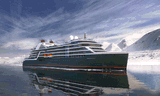
Cruise port St. Kilda (Hebrides)
Info for port St. Kilda (Hebrides) on 18 Jun 2028
Port information & tips for St. Kilda (Hebrides)
St. Kilda is a pristine natural paradise in the Outer Hebrides and is one of Scotland's most spectacular destinations thanks to its exceptional dual UNESCO World Heritage status. The main island of Hirta welcomes visitors with a mystical atmosphere of dramatic cliffs, green slopes, and profound silence. Highlights include the ruins of the historic settlement in Village Bay as well as the characteristic cleits—small stone huts used for storage—while the massive seabird colonies on the steep cliffs delight nature lovers. Cruise ships anchor in the sheltered Village Bay, from where guests are comfortably transferred by tender boat to the small pier. This central landing point provides direct access to the historic village center and the hiking trails through the island's impressive wilderness.
St. Kilda, a remote archipelago in the Outer Hebrides and a UNESCO World Heritage site, does not have a traditional cruise port with direct public transport links. Visits are only possible as part of expedition or small-ship cruises, which usually depart from Scottish mainland ports or the Hebrides. The picturesque town of Oban on the west coast of Scotland often serves as a central departure point for many of these voyages. Arrival at the respective embarkation port typically takes place via the following routes, with arrival the day before strongly recommended due to the travel distance from the DACH region and possible unforeseen delays.
Airplane
For guests from the DACH region, Glasgow International (GLA) and Edinburgh (EDI) airports are the most important points of arrival. Both airports offer international connections and are well-connected to the Scottish transport network. From Glasgow Airport, Oban is approximately 150 kilometers away, which corresponds to a driving time of around two hours. From Edinburgh Airport, you will need about two and a half to three hours for the approximately 190-kilometer route to Oban. Direct bus connections exist from both airports to larger Scottish cities, from where further travel options to the departure port are available.
Car
Oban is accessible via well-maintained trunk roads, particularly the A85, which provides a direct connection to the A82, linking Glasgow with the Scottish Highlands. Travelers can park their vehicles in Oban in various parking lots, including long-stay car parks such as the Longsdale Car Park or the Lochavullin Car Park. Many cruise lines or local providers also cooperate with secure parking facilities, which often offer a shuttle service to the terminal.
Train
Oban has its own railway station, which allows for a scenic train journey along the West Highland Line. From Glasgow Queen Street, a central station in Glasgow, trains run directly to Oban several times a day. The train journey offers impressive views of the Scottish landscape and takes about three hours. From Oban station, the ferry port and the cruise ship berths are easily accessible on foot.
Check-in & Embarkation
Please note that you will generally receive a fixed time slot for check-in with your travel documents, which is mandatory for your embarkation. Plan sufficient time for your journey to the port accordingly and take into account that the latest embarkation time – depending on the cruise line and destination – is usually scheduled about one hour before the planned departure.
The following also applies during the voyage: for shore excursions, you should be back on board at least one hour before departure. Always pay attention to the current announcements and the notices on board, as mooring and departure times can change at short notice.
St. Kilda, a remote archipelago in the Outer Hebrides and a UNESCO World Heritage site, does not have a traditional cruise port with direct public transport links. Visits are only possible as part of expedition or small-ship cruises, which usually depart from Scottish mainland ports or the Hebrides. The picturesque town of Oban on the west coast of Scotland often serves as a central departure point for many of these voyages. Arrival at the respective embarkation port typically takes place via the following routes, with arrival the day before strongly recommended due to the travel distance from the DACH region and possible unforeseen delays.
Airplane
For guests from the DACH region, Glasgow International (GLA) and Edinburgh (EDI) airports are the most important points of arrival. Both airports offer international connections and are well-connected to the Scottish transport network. From Glasgow Airport, Oban is approximately 150 kilometers away, which corresponds to a driving time of around two hours. From Edinburgh Airport, you will need about two and a half to three hours for the approximately 190-kilometer route to Oban. Direct bus connections exist from both airports to larger Scottish cities, from where further travel options to the departure port are available.
Car
Oban is accessible via well-maintained trunk roads, particularly the A85, which provides a direct connection to the A82, linking Glasgow with the Scottish Highlands. Travelers can park their vehicles in Oban in various parking lots, including long-stay car parks such as the Longsdale Car Park or the Lochavullin Car Park. Many cruise lines or local providers also cooperate with secure parking facilities, which often offer a shuttle service to the terminal.
Train
Oban has its own railway station, which allows for a scenic train journey along the West Highland Line. From Glasgow Queen Street, a central station in Glasgow, trains run directly to Oban several times a day. The train journey offers impressive views of the Scottish landscape and takes about three hours. From Oban station, the ferry port and the cruise ship berths are easily accessible on foot.
Check-in & Embarkation
Please note that you will generally receive a fixed time slot for check-in with your travel documents, which is mandatory for your embarkation. Plan sufficient time for your journey to the port accordingly and take into account that the latest embarkation time – depending on the cruise line and destination – is usually scheduled about one hour before the planned departure.
The following also applies during the voyage: for shore excursions, you should be back on board at least one hour before departure. Always pay attention to the current announcements and the notices on board, as mooring and departure times can change at short notice.
Arrival on St. Kilda is by tender boat directly into Village Bay and, thanks to the sheltered location, allows direct access to this pristine World Heritage Site.
Tender Boats and Zodiacs
Landing at the small pier is conveniently done using the ship's own Zodiacs or tender boats. These bring you safely ashore while offering a first spectacular view of the imposing cliffs and seabird colonies of Hirta.
On Foot
Exploration of the historic settlement and the surrounding slopes is done exclusively on foot. The abandoned village as well as the hiking trails to the dramatic sea cliffs can be reached directly from the landing site within a few minutes.
National Trust Paths
The well-maintained paths lead you safely through the protected landscape and connect the small museum with the archaeological sites. Rangers from the National Trust for Scotland also provide helpful orientation tips and support visitors directly on site.
To make the most of your limited time at the remote St. Kilda World Heritage Site, a combination of exploring the historic settlement in Village Bay and a boat trip to the monumental seabird colonies of the surrounding sea stacks is highly recommended.
Village Bay
The wide bay serves as the central arrival point and impresses with its gentle beach and crystal-clear water; additionally, its sheltered location makes it the perfect starting point for all discoveries on the main island of Hirta.
The historic settlement on Hirta
The melancholy beauty of the abandoned stone houses along the former village street tells of the harsh lifestyle of the earlier inhabitants and, thanks to the small museum and the well-preserved church, is a cultural highlight for every visitor.
Stac Lee and Stac an Armin
These massive sea stacks rise steeply out of the North Atlantic and are home to one of the world's largest northern gannet colonies, which, thanks to their monumental appearance, makes them an incomparable destination for nature observation from the ship.
The Ghost Town of Village Bay
The historic settlement in Village Bay on the main island of Hirta is easily accessible on foot directly from the tender boat landing stage and offers a profound insight into the former life of Great Britain's most isolated community. Thanks to the carefully restored row of houses along "Main Street" as well as the small church and the schoolhouse, you will experience a deeply moving atmosphere amidst a spectacular, untouched natural backdrop. The small museum of the National Trust for Scotland is ideal for learning more about the dramatic evacuation in 1930, and the countless "cleits" scattered across the slopes – traditional stone huts – also provide perfect photo opportunities for your visit. It is best to take one of the first tender boats in the morning to enjoy the mystical silence of the abandoned settlement before more visitors arrive, and return to the pier in good time to admire the impressive sea cliffs once again in their full glory from the ship as you depart.
The return journey on the uninhabited island of Hirta is straightforward and safe thanks to the clear layout of Village Bay.
Tender boats
Since there are no taxis or public transport on the island, the ship's own tender boats serve as a convenient shuttle between the stone pier and your cruise ship. The boats run regularly and take you directly from the Main Jetty back to the sea, although you should arrive at the meeting point in good time for the last trip.
On foot
The historic sights around the ruins of Main Street and the small church are located in direct proximity to the water and can be reached via simple paths. The way back to the landing stage is clearly visible at all times thanks to the open landscape and the location at the foot of the hills, leading you comfortably past Factor’s House back to the shore.
Orientation and safety
The National Trust for Scotland rangers and the expedition crew members are present on site to assist you with boarding at the slipway. In addition, the clear visibility in the bay ensures that you can always keep the landing stage in sight and return in time for your ship's departure.
In port on 18 Jun 2028